The person
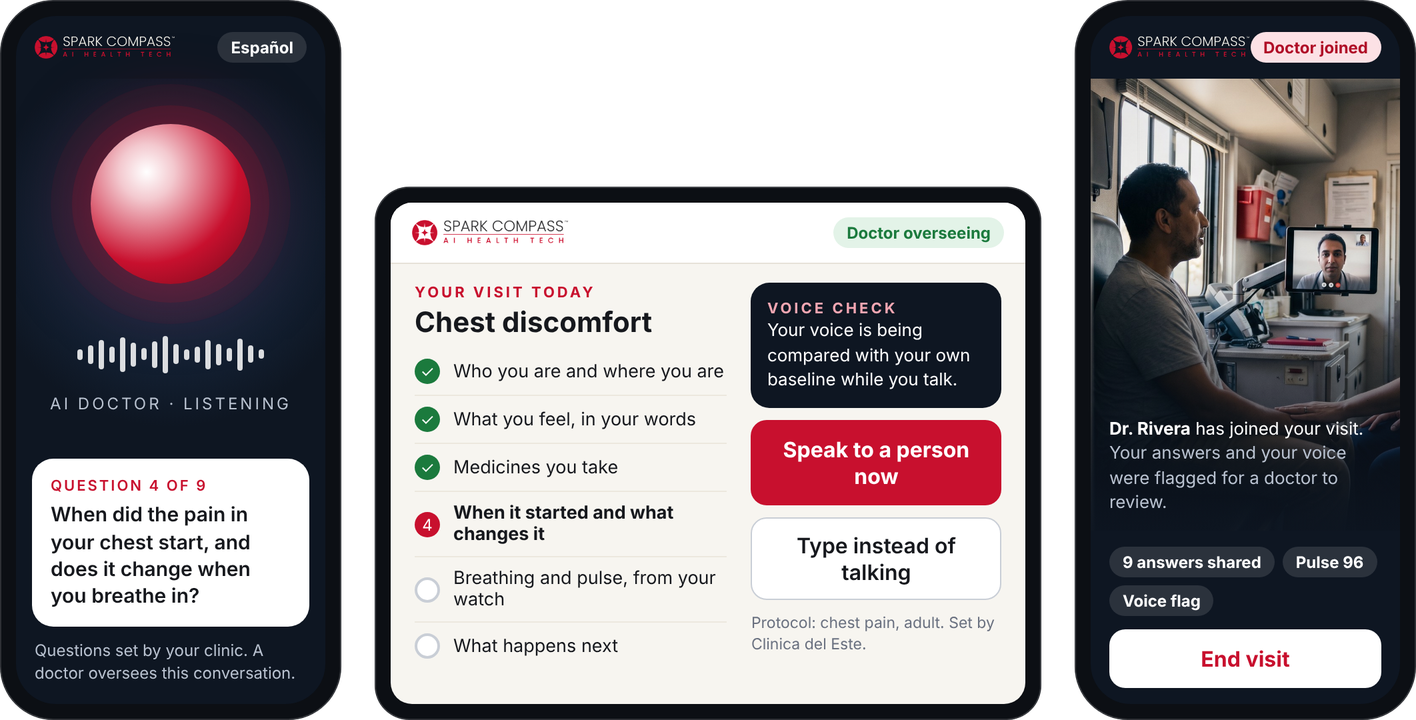
Talks with an AI video doctor
On a phone, a tablet or a screen, in their own language. No clinic and no appointment needed to begin.

The AI care platform
Spark Compass Medical is an AI care platform on the phone, the tablet and the screen. A person talks with an AI video doctor that asks what a doctor would ask. A medical professional oversees every conversation and steps in when something is amiss.
Request a briefingThe gap

The World Health Organization projects a shortfall of 11.1 million health workers by 2030. Training more people is essential and it is slow.
Our answer is to give each clinician more reach. AI agents listen, sort and prepare. A physician or nurse practitioner sees what matters first and makes every decision.
Source: World Health Organization, health workforce projections to 2030.
The platform
One platform, on the devices people already have. Everything else we build is an add-on to it or a use case on it.
The person
On a phone, a tablet or a screen, in their own language. No clinic and no appointment needed to begin.
The AI agent
Questions written with the local provider and set to its medical requirements. Voice analysis listens for what the words do not say and flags when something is amiss.
The doctor
One medical professional oversees hundreds, then thousands, of conversations and steps in where it matters. The AI agents ask, screen and flag. The doctor diagnoses and decides.
How it works
It asks a doctor’s questions, one at a time, in the person’s language. It listens to the answers and to the voice. When something is flagged, a medical professional joins.
For the doctor, every conversation is one dot. The few that need attention rise to the top, with the reason. This is an extension of the doctor and a tool in the doctor’s hands.
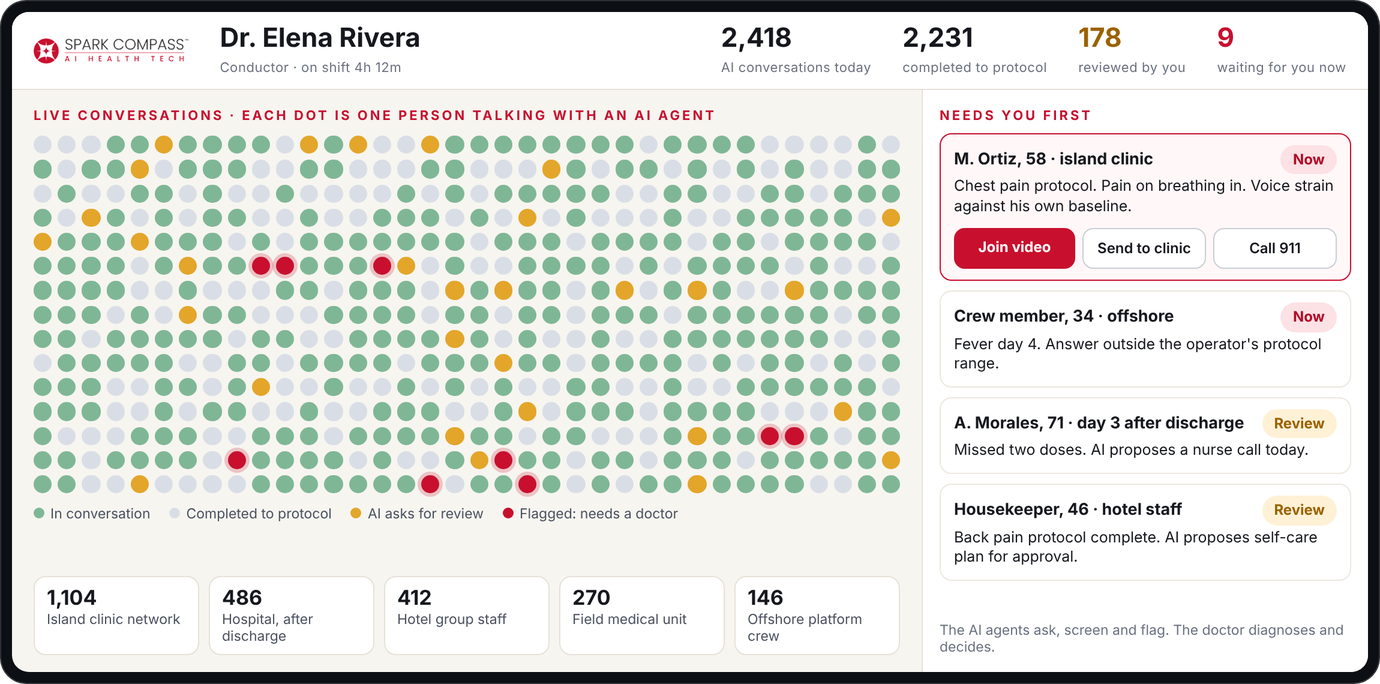
Screen designs for illustration. Names and figures are invented.
Programmed with the local provider
The AI agents do not practice their own medicine. They follow the medical conduct of the organization that deploys them: a ministry of health, a hospital, an employer’s medical office or a military medical command.
The reach
There are not enough clinicians, and there will not be. The platform takes the knowledge of one clinician to everyone who needs it.
A country or a region short of clinicians.
The staff of an organization, cared for where they work.
Bases, field units and ships.
Oil platforms, fields, mines and vessels.
Before admission and after discharge.
Guests and team members, in every property.
The single source of truth
A hospital sees a patient for days. Life happens in the other 360. Spark Compass Medical brings the health record and everything outside the hospital into one picture for the clinician. This is medical care for medical conditions.
At home
Daily check-ins, medication confirmed, early warning signs and one number to call.
On the way
Mobile units and responders arrive knowing the patient, with central command on the line.
In hospital
The picture from home is ready at admission and follows the patient back out at discharge.
Augmented intelligence
Physicians do not want another system to learn. This one adapts to them and works with the tools they already use.
| Health records | Epic and other record systems stay the record. We integrate with them and add what happens outside the hospital. |
| Dictation | Clinicians keep dictating the way they do. We integrate with Microsoft Dragon. |
| Visits and calls | Care-team calls and virtual visits stay in Microsoft Teams. We integrate with it. |
| Patient devices | Apple Health, Samsung Health, Withings and Validic, collected through their interfaces with consent. |
| Optional modules | Voice biomarkers and home sensor hubs, added where a program needs them. |
Integrations are optional and vary by program and stage. Names are used for information and do not imply endorsement.
Built on the platform
Same platform, same methodology, same principles. Each use case is the core platform applied to one condition or one setting. The Discharge Kit begins with hospitals in the United States.
At home
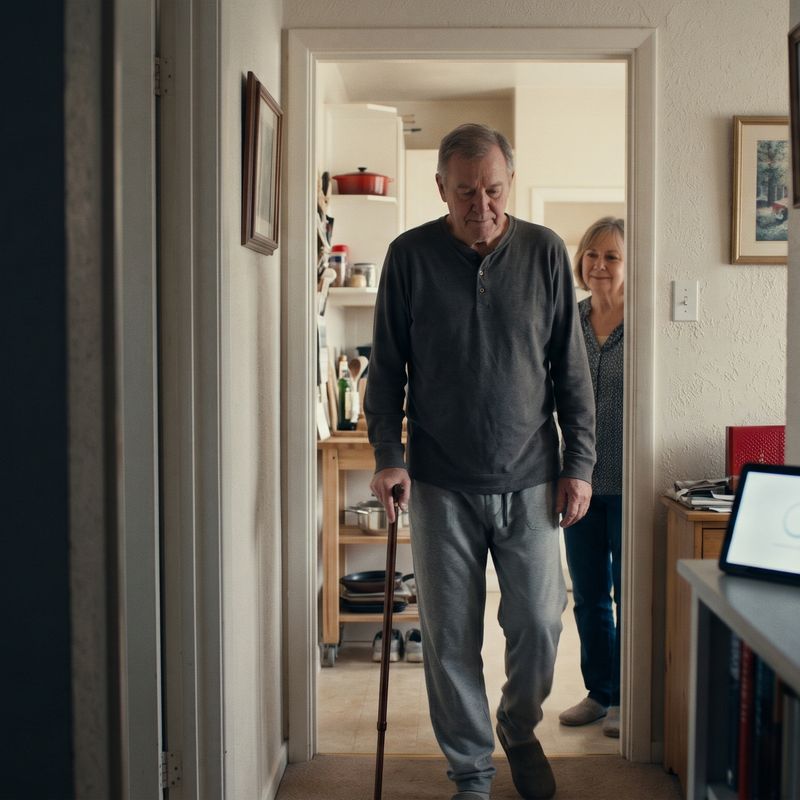
Care and recovery at home for seniors, people with disabilities and patients after surgery. Daily voice check-ins, medication prompts and recovery routines, with one shared view for family and care team.
Companion
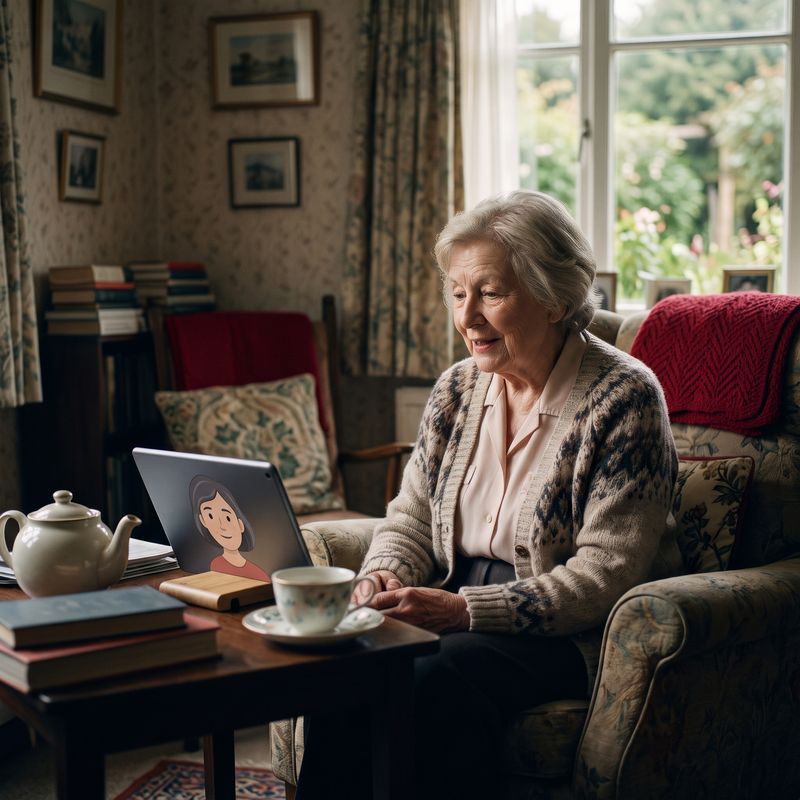
The companion. A face on a tablet that starts the conversation every day, in the person's own language, and notices when something changes. No login and no menus.
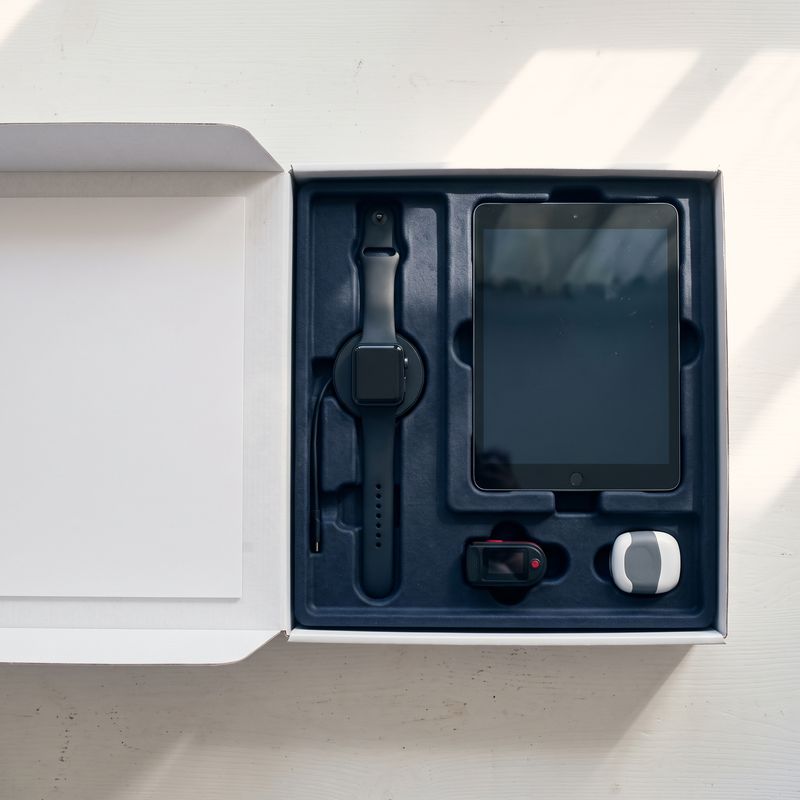
After discharge
A wearable, a tablet and optional connected sensors that carry a patient from the hospital bed through the first thirty days at home, on a plan their physician sets.
After the hospital
2,334
US hospitals have their Medicare payments reduced in fiscal 2027 for excess readmissions. That is 80% of the hospitals evaluated.
Source: Centers for Medicare & Medicaid Services, Hospital Readmissions Reduction Program, fiscal 2027.
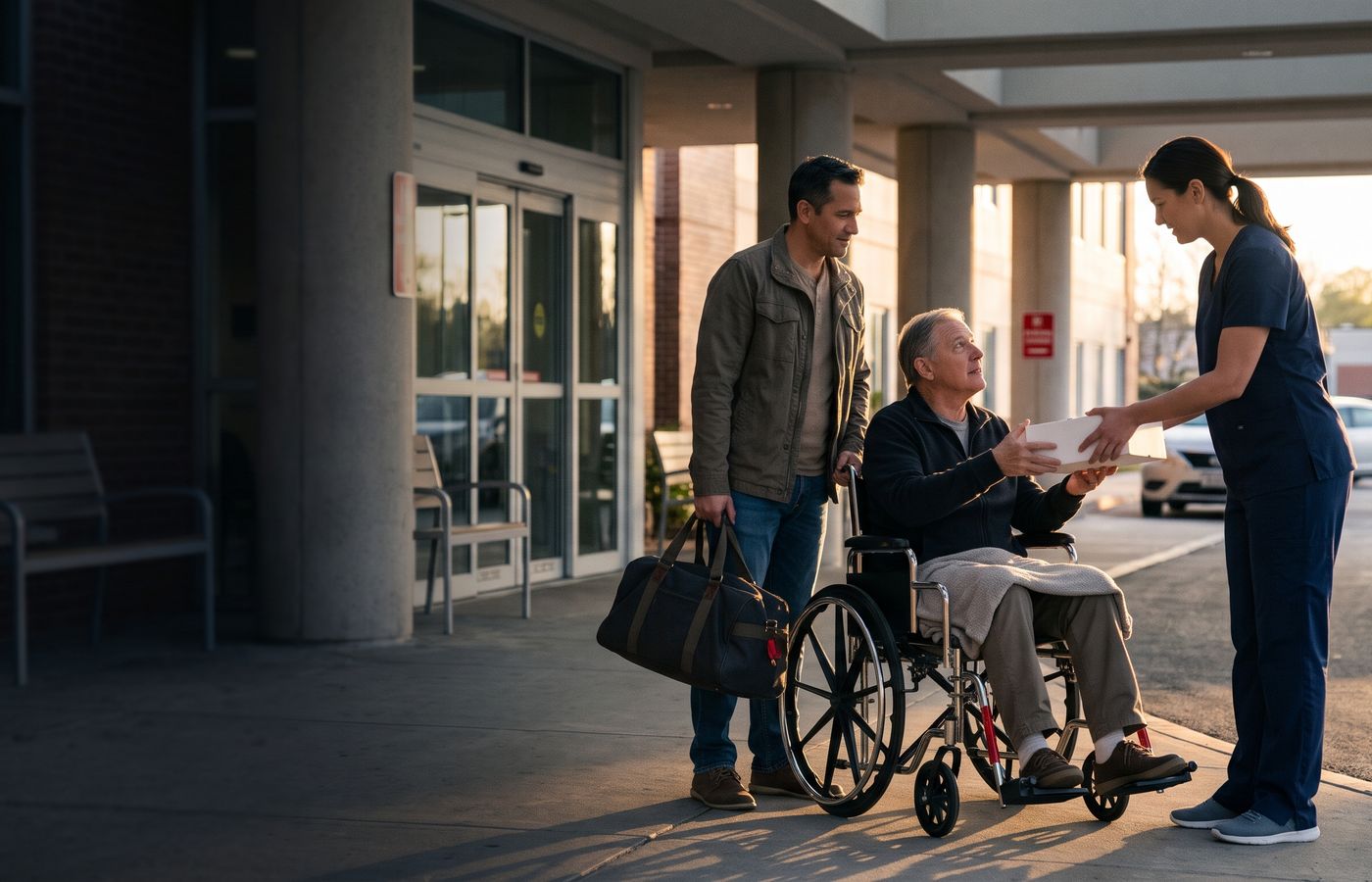
Care at home
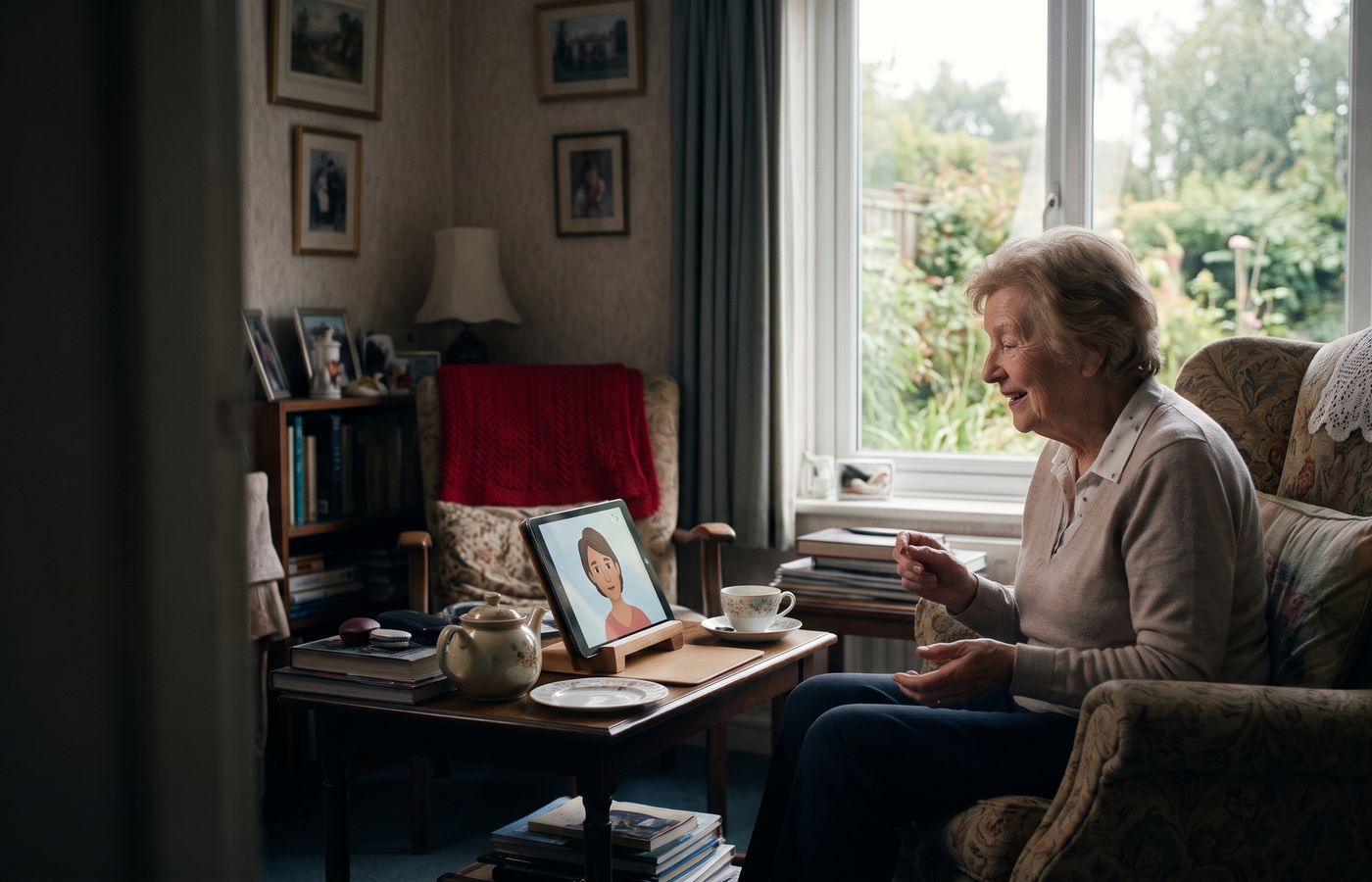
IRIS offers three feelings one tap away: I need help, I am lonely, I am not feeling well. Every conversation resolves to well, OK or not well.
A care conductor sees every home on one screen. Green stays green. When a status changes, a person is sent, with a short note on what changed.
A person can begin with the companion and move into at-home care on the same device, with the same face.
Add-on hardware
The platform starts on a phone. Where people need readings, a room or a clinician on site, add-on units carry the same software, with air-cooled AI on board, a satellite link and physicians at a central command.
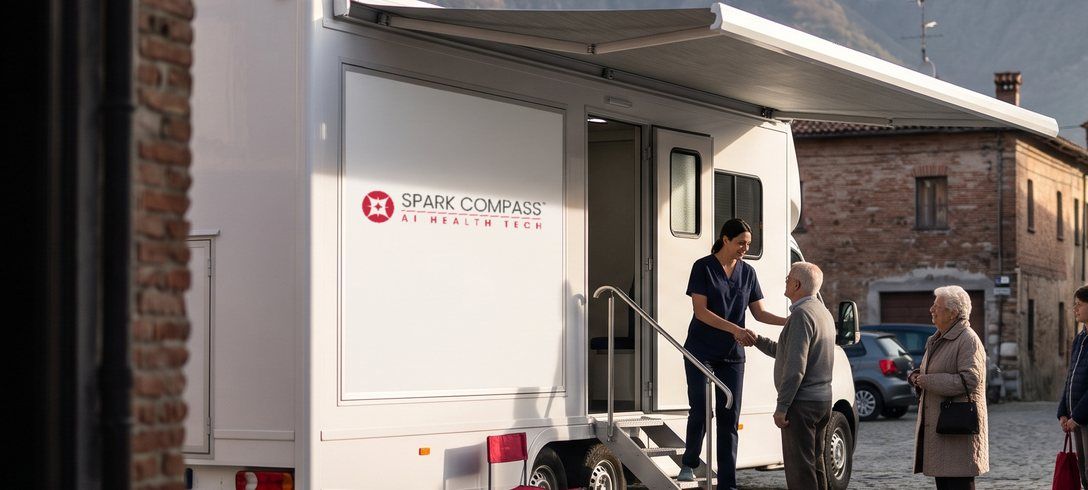

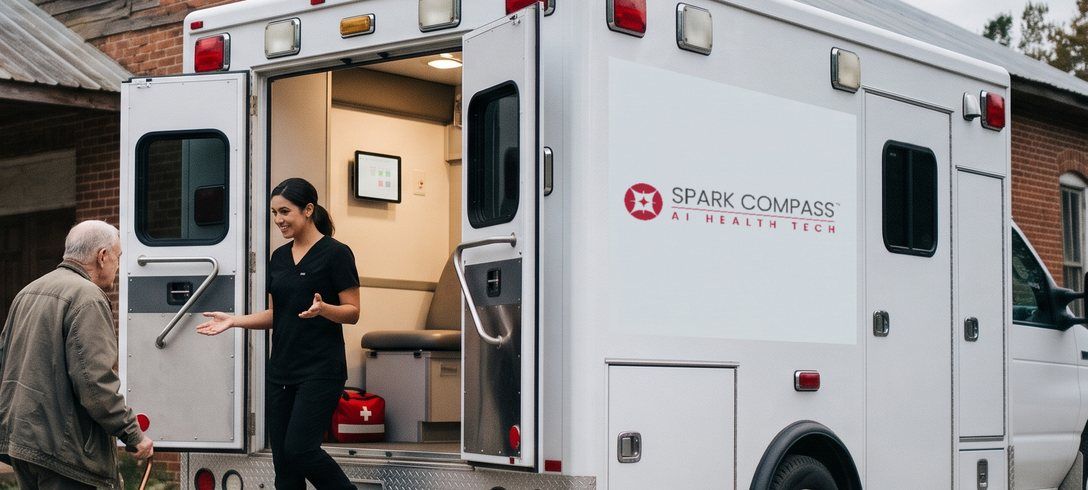
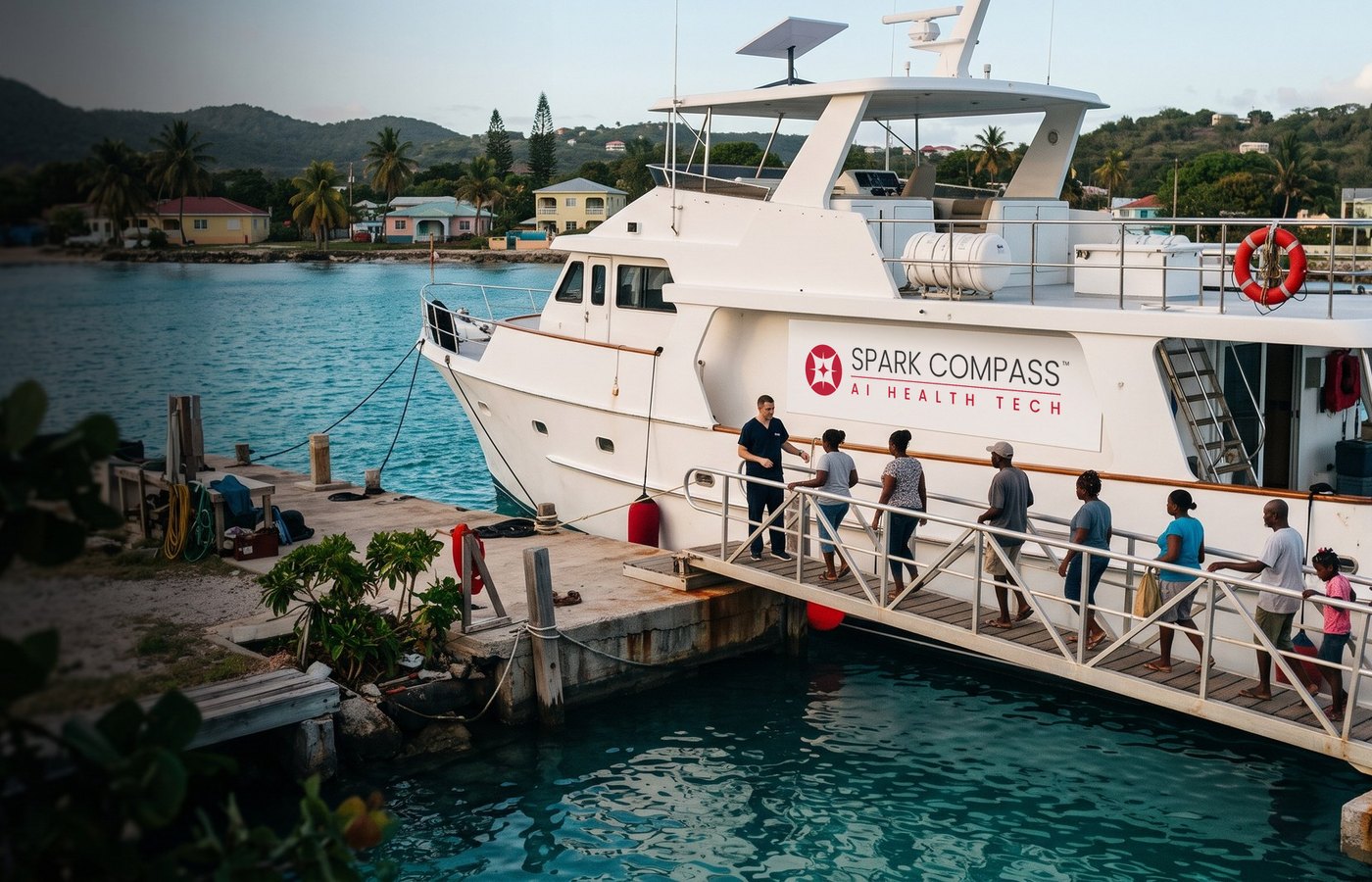


One unit, every format: highway trailer, four-wheel-drive terrain unit, urban unit, vessel and fixed clinic module.
The company
Spark Compass Medical is the go-to-market channel partner of Total Communicator Solutions, Inc. for the medical sector, built on fourteen years of platform development. It is a Puerto Rico company held through ODAL Holdings LLC, with headquarters in Salt Lake City, Utah. A board of medical advisers is being formed in the mainland United States, Puerto Rico, the Kingdom of Saudi Arabia and the United Kingdom. Research and development are in Puerto Rico.

Patented
Fourteen years of development and more than 11 million lines of code, licensed for healthcare. The work now is customization for medicine.
Distributed
Small, air-cooled AI data centers on site and on board each unit, so care continues when the connection does not.
Quantum-ready
Quantum computing is available through Spark Compass Quantum when a problem needs it, such as routing a fleet or planning capacity.
Track record
Puerto Rico is one of the largest pharmaceutical and medical device manufacturing bases under US and FDA law. Spark Compass Medical takes these programs to market from there, on a working platform.
Built for trust
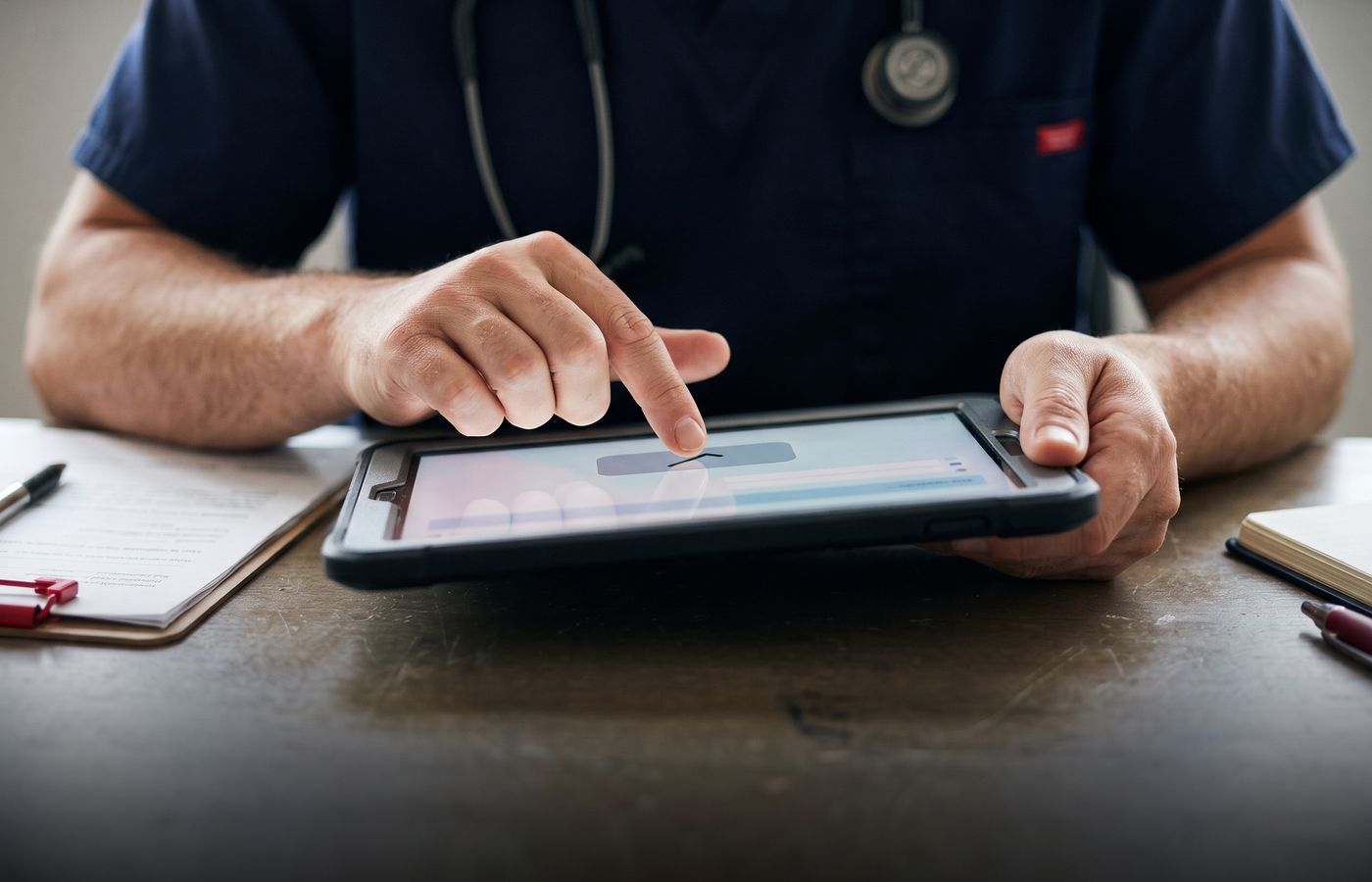
The platform observes, summarizes and escalates. It does not diagnose and it does not treat.
Every AI interaction is identified as AI. Consent is asked in plain language and can be refused.
Compute runs at the edge, on site or in the unit, so sensitive data does not have to travel to be useful.
Built to work with the wearables, sensors and care systems that patients and providers already use.
Spark Compass Medical programs are not medical devices and do not give medical advice. Outcomes described on this site are design goals and are not guaranteed clinical results.
The next step
AI in medicine has mostly served research and pharmaceuticals. We apply it to the care each person receives. Real-world data from whole populations, de-identified and consented, shows what helps people like this patient. Through Spark Compass Quantum, the next step is questions too large for classical computing, with population knowledge returned as individual care.
The mandate
Technology must support the individual wherever they are: the medical professional, the doctor, the care provider, the family member and the patient.
Erik Bjontegard, founder and inventor, and a recipient of this care himself
Global health
Built toward Sustainable Development Goal 3: good health and well-being for all, and health coverage that reaches everyone.
Medical ethics
The physician decides. Do no harm. Patient consent and confidentiality come first.
Outcomes
Readmissions avoided, patients reached, and clinician time returned to care.
Work with us
For hospitals, care providers, employers, operators of remote sites and vessels, and public agencies.
Request a briefingerikb@sparkcompass.com · +1 619 277 1488